 BECE Past Questions
BECE 2018 Pre-Technical Skills Past Questions and Answers
30 objective questions and 4 theory questions from the 2018 BECE Pre-Technical Skills paper. Answers and worked solutions for questions 1 to 10 are below; the rest are free in the app.
Practise this paper free, online or offline


On an iPhone? Download on the App Store
On Android? Get it on Google Play
Paper 1: Objectives
-
Short dashes lines are used for
- A. cutting planes
- B. hidden outlines
- C. dimensioning
- D. visible outlines
Answer: B -
Which of the following wires carries electric current to an electric iron?
- A. Earth
- B. Live
- C. Negative
- D. Neutral
Answer: B -
Which of the following is not a stage in the design process?
- A. Making
- B. Situation
- C. Specification
- D. Questionnaire
Answer: D -
Missing nails in household furniture occur in
- A. concrete benches
- B. metal tables
- C. plastic cabinets
- D. wooden chairs
Answer: D -
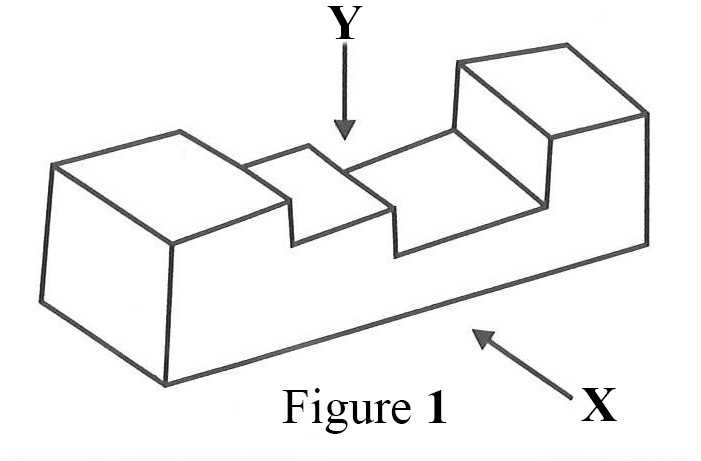
The view indicated by the arrow X is- A.
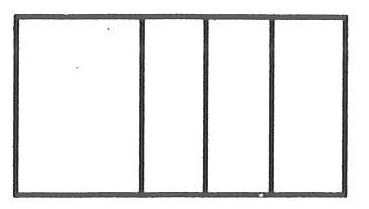
- B.
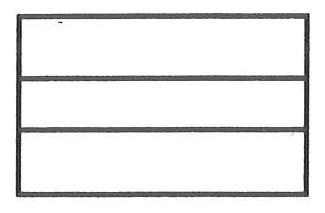
- C.
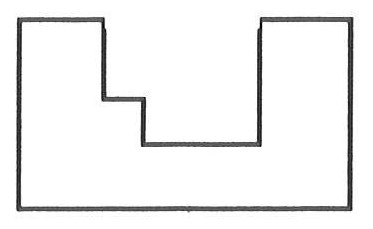
- D.
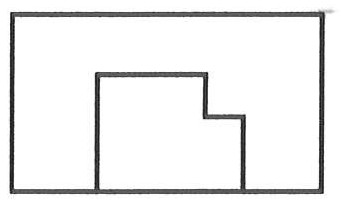
Answer: C - A.
-
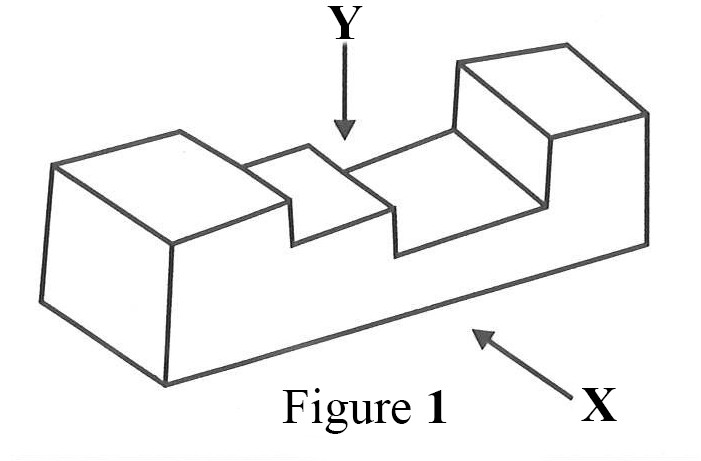
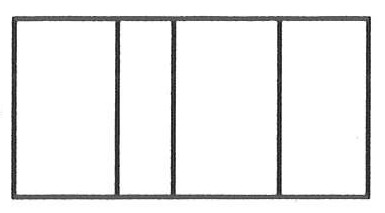
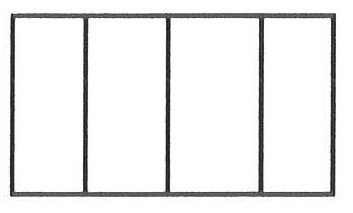
The view indicated by the arrow Y is- A.
- B.
- C.
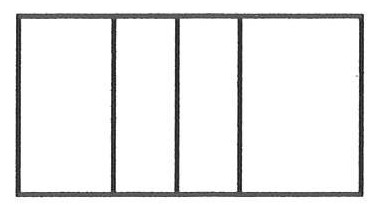
- D.
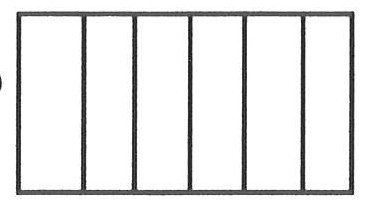
Answer: A - A.
-
The main function of carbohydrate in the body is for
- A. growth
- B. energy
- C. repair
- D. maintenance
Answer: B -
Portion control equipment include
- A. sauceboat
- B. oval plate
- C. casserole
- D. ladle
Answer: D -
The process of making another article out of an existing one is termed
- A. patching
- B. remodeling
- C. renovation
- D. darning
Answer: B -
The best seam for children's dress is
- A. French seam
- B. open seam
- C. overlaid seam
- D. welt seam
Answer: A
Answers and solutions for questions 11 to 30 are free in the BECE Past Questions app, with timed practice and offline study.
-
Select the element of design from the following options.
- A. Colour
- B. Motif
- C. Repeat
- D. Rhythm
-
Shading of tones is best done with
- A. 2B pencil
- B. 2H pencil
- C. HB pencil
- D. HH pencil
-
Preliminary sketches help the artist to
- A. increase his drawings
- B. gather required materials
- C. get the required form
- D. make the product last longer
-
Select a neutral colour from the options below:
- A. blue
- B. orange
- C. red
- D. white
-
Which colour is directly opposite to red on the six-point colour wheel?
- A. Orange
- B. Violet
- C. Green
- D. Black
-
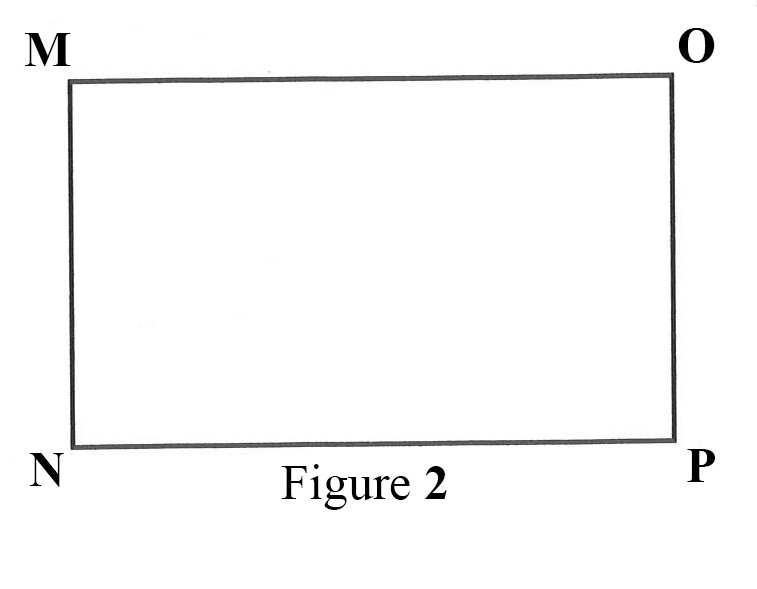
Which of the following products is obtained when the sides MN is soldered to OP?- A. Chalk box
- B. Match box
- C. Milk tin
- D. Watering can
-
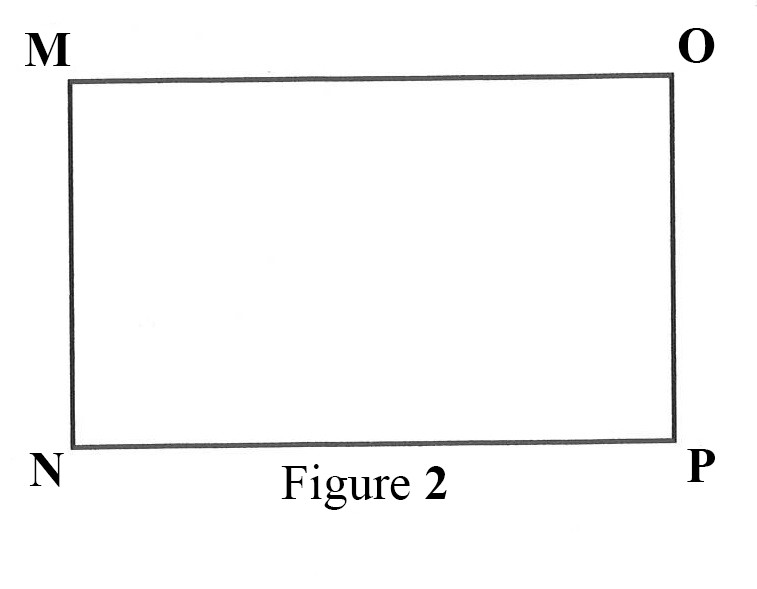
Which of the following tools is used to produce heat to join the sides?- A. Folding bar
- B. Snips
- C. Soldering iron
- D. Torch
-
The surface development of a cylinder is
- A. an arc
- B. a circle
- C. a rectangle
- D. a square
-
The first procedure involved in making a wooden joint is to
- A. glasspaper workpiece
- B. cut wood to size
- C. mark out workpiece
- D. assemble joint
-
Which of the following is true about metals?
- A. All metals are malleable
- B. All metals are conductive
- C. Ferrous metals do not rust
- D. Ferrous metals contain iron
-
The bristles of a toothbrush are made from
- A. acrylic
- B. bakelite
- C. nylon
- D. P.V.C.
-
The fine aggregate in mortar is
- A. cement
- B. sand
- C. stone
- D. water
-
A mixture of cement, sand, stones, and water forms
- A. blocks
- B. bricks
- C. concrete
- D. mortar
-
Which of the following is a safe use of tools?
- A. Clean spilt oil on the floor
- B. Keep the workshop tidy
- C. Wear protective clothing
- D. Work with a firm head hammer
-
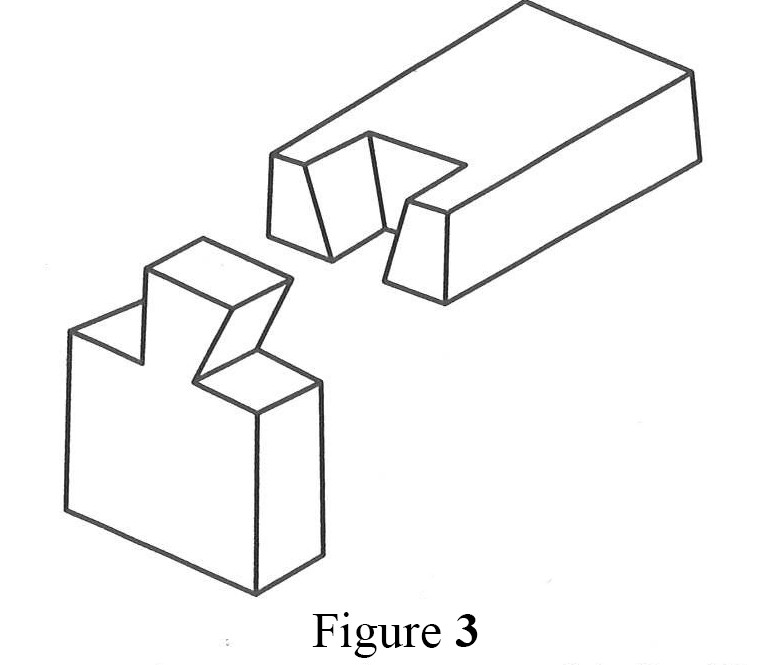
The parts when assembled will give a- A. dovetail joint
- B. butt joint
- C. lap joint
- D. mortise and tenon joint
-
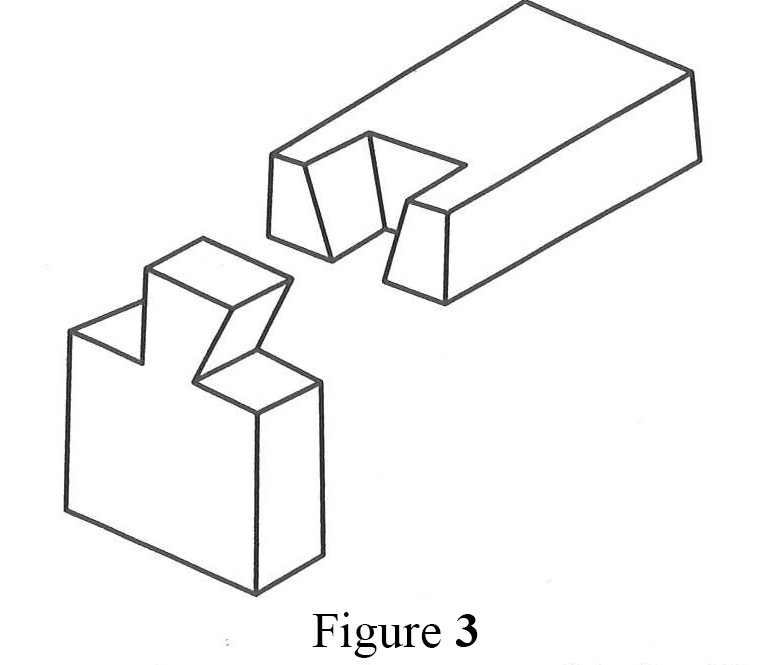
The most suitable tool for cutting the joint is a- A. crosscut saw
- B. dovetail saw
- C. pad saw
- D. rip saw
-
The first thing to do when an electrical socket is faulty is to
- A. check if wires are loose
- B. put off switch of the socket
- C. switch off the mains
- D. remove cover socket
-
The hammer used for removing nails in wood is
- A. ball pein hammer
- B. bossing hammer
- C. cross pein hammer
- D. claw hammer
-
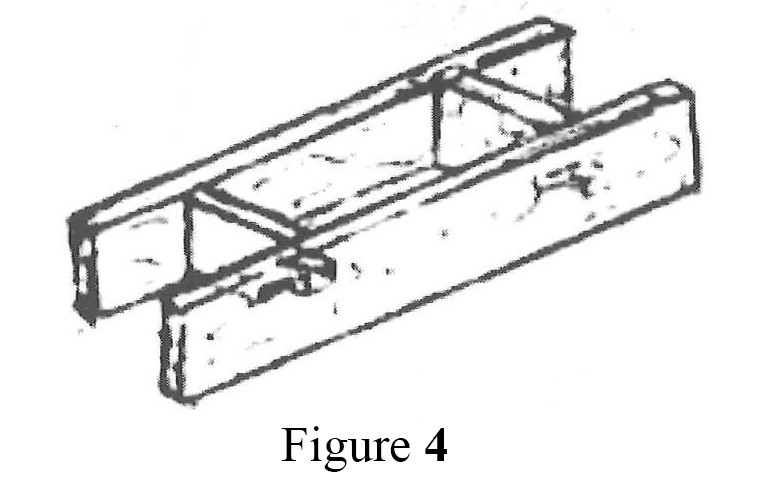
The tool shown is a- A. builder's square
- B. gauge box
- C. mould box
- D. tamping rod
-
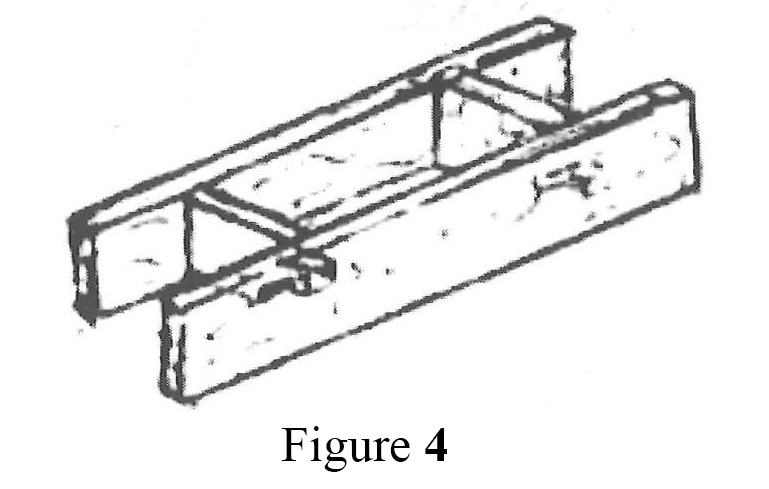
The tool is used for- A. carrying blocks
- B. moulding blocks
- C. measuring aggregates
- D. tamping mortar
Paper 2: Theory
- a) State one advantage of baked foods.
b) State two disadvantages of freehand cutting.
c) i) List two stages of the design process.
ii) List two methods of recording information for solving a design problem.
iii) Name a suitable pencil for sketching a possible solution in a design work.
iv) List two methods of sketching a final solution in pictorial drawing.
d) i) Define a poster.
ii) Give two reasons why a poster is important in advertisement.
iii) List two types of poster.
iv) State one major difference between the two types of poster. - a) i) Make a freehand pictorial sketch of the brick hammer.
ii) Label any two parts of the brick hammer sketched in (a)(i).
iii) State one use of the brick hammer.
b) State one reason for each of the following operations:
i) oiling metal parts of the firmer chisel;
ii) wearing goggles when grinding the cold chisel;
iii) racking back a wall.
c) State one use of the following electronic components:
i) resistor; ii) inductor; iii) diode. - a) i)
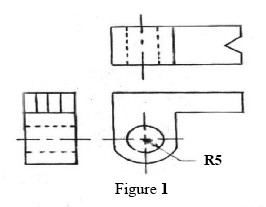
Copy the views shown in figure 1.
ii) Label the copied views shown in question (a)(i) with the following: α) front elevation; β) plan; γ) end elevation.
iii) State the type of orthographic projection used.
iv) Name one cutting tool used for producing the 5 mm diameter hole.
b) i) Make a freehand pictorial sketch of a pick axe.
ii) Label any one part of the pick axe sketched in question (b)(i).
iii) State one use of the pick axe. - a) i) Make a freehand pictorial sketch of the mould box.
ii) State one use of the mould box.
iii) State one reason for oiling the inside of the mould box before using it.
b) State two examples of each of the following materials:
i) non-ferrous alloys; ii) aggregate; iii) abrasives.
c) Figure 2 shows the sketch of a piece of timber for making a joint
Complete the table of operations and tools used for preparing a timber workpiece.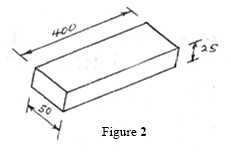
Worked solutions to the theory questions are free in the app.
More BECE Pre-Technical Skills papers
All 8 Pre-Technical Skills papers
 All answers free on Google Play