 BECE Past Questions
BECE 2018 Home Economics Past Questions and Answers
30 objective questions and 4 theory questions from the 2018 BECE Home Economics paper. Answers and worked solutions for questions 1 to 10 are below; the rest are free in the app.
Practise this paper free, online or offline


On an iPhone? Download on the App Store
On Android? Get it on Google Play
Paper 1: Objectives
-
Short dashes lines are used for
- A. cutting planes
- B. hidden outlines
- C. dimensioning
- D. visible outlines
Answer: B -
Which of the following wires carries electric current to an electric iron?
- A. Earth
- B. Live
- C. Negative
- D. Neutral
Answer: B -
Which of the following is not a stage in the design process?
- A. Making
- B. Situation
- C. Specification
- D. Questionnaire
Answer: D -
Missing nails in household furniture occur in
- A. concrete benches
- B. metal tables
- C. plastic cabinets
- D. wooden chairs
Answer: D -
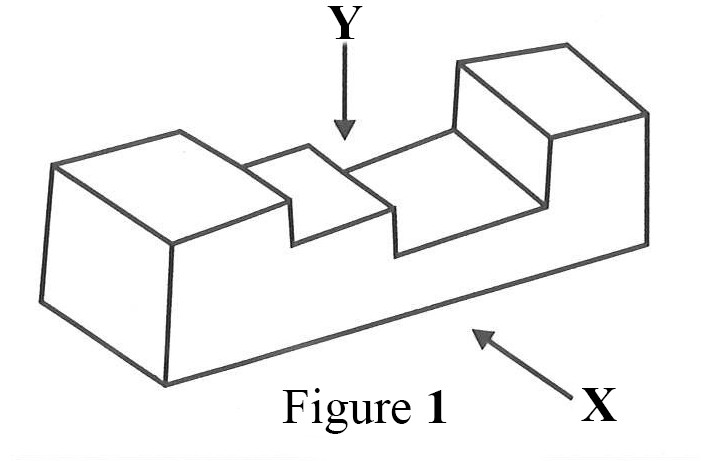
The view indicated by the arrow X is- A.
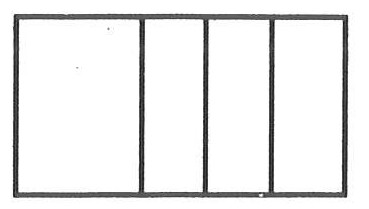
- B.
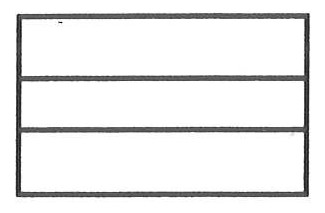
- C.
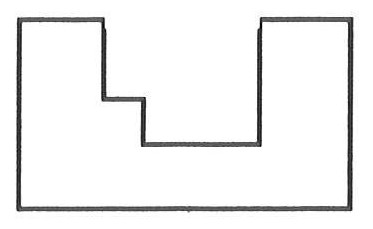
- D.
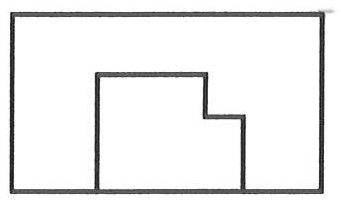
Answer: C - A.
-
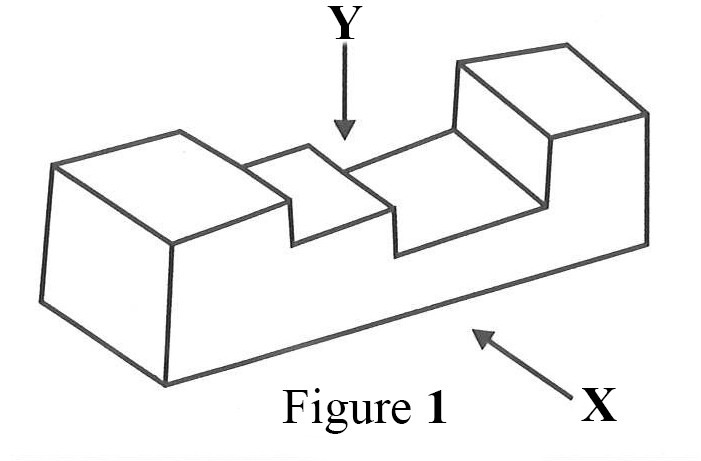
The view indicated by the arrow Y is- A.
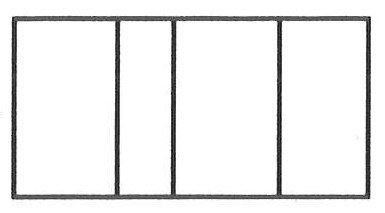
- B.
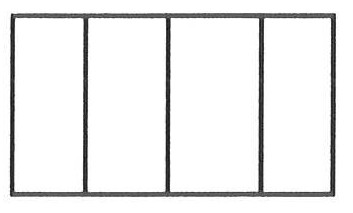
- C.
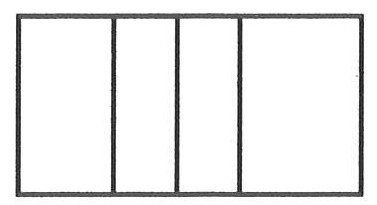
- D.
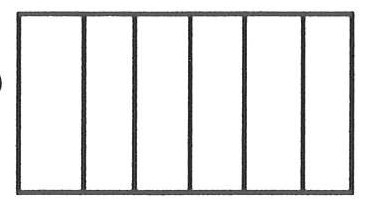
Answer: A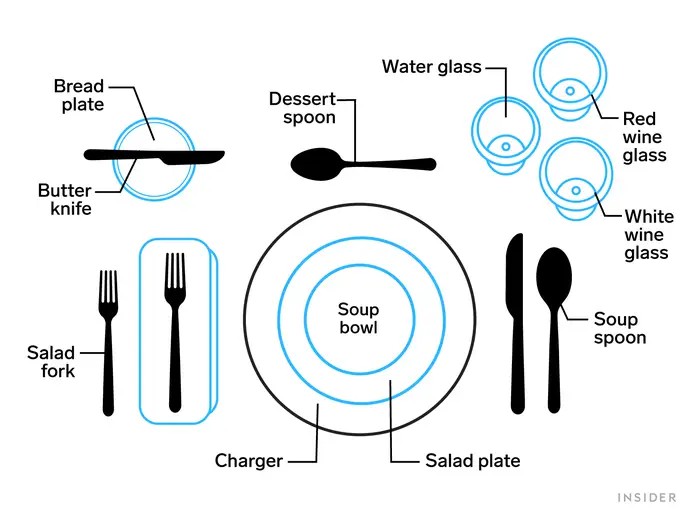
- A.
-
The main function of carbohydrate in the body is for
- A. growth
- B. energy
- C. repair
- D. maintenance
Answer: B -
Portion control equipment include
- A. sauceboat
- B. oval plate
- C. casserole
- D. ladle
Answer: D -
The process of making another article out of an existing one is termed
- A. patching
- B. remodeling
- C. renovation
- D. darning
Answer: B -
The best seam for children's dress is
- A. French seam
- B. open seam
- C. overlaid seam
- D. welt seam
Answer: A
Answers and solutions for questions 11 to 30 are free in the BECE Past Questions app, with timed practice and offline study.
-
Select the element of design from the following options.
- A. Colour
- B. Motif
- C. Repeat
- D. Rhythm
-
Shading of tones is best done with
- A. 2B pencil
- B. 2H pencil
- C. HB pencil
- D. HH pencil
-
Preliminary sketches help the artist to
- A. increase his drawings
- B. gather required materials
- C. get the required form
- D. make the product last longer
-
Select a neutral colour from the options below:
- A. blue
- B. orange
- C. red
- D. white
-
Which colour is directly opposite to red on the six-point colour wheel?
- A. Orange
- B. Violet
- C. Green
- D. Black
-
The freezer is used to store
- A. fresh milk and cabbage
- B. kontomire and eggs
- C. fresh fish and meat
- D. lettuce and smoked fish
-
Which of the following is a standing collar?
- A. Peter pan collar
- B. Sailor's collar
- C. Mandarin collar
- D. Shirt collar
-
Tools used for measuring when sewing include
- A. bodkin and stiletto
- B. needle and sewing pins
- C. thimble and stitch ripper
- D. tape measure and metre rule
-
Stitches used for securing hems and turnings to prevent fraying are
- A. back stitches
- B. neatening stitches
- C. running stitches
- D. temporary stitches
-
A student can earn income from selling chair backs and fanciful articles when he or she learns
- A. drafting
- B. embroidery
- C. sewing
- D. crocheting
-
Individual working in a poorly ventilated kitchen often shows signs of
- A. fatigue
- B. aggression
- C. forgetfulness
- D. clumsiness
-
The major factor to be considered in selecting any equipment for use by a form two student is
- A. space for storage
- B. availability of equipment
- C. skill of the user
- D. availability of electricity
-
In frying meat, heat is transferred by means of
- A. convection
- B. conduction and radiation
- C. radiation and convection
- D. conduction
-
Incorrect threading of a sewing machine will cause
- A. puckering of seams
- B. missing stitches
- C. thread breaking
- D. loose stitches forming
-
A suitable inexpensive fabric for making a school bag is
- A. poplin
- B. denim
- C. damask
- D. calico
-
Fruits are best cooked by
- A. stewing
- B. poaching
- C. steaming
- D. boiling
-
The food item that absorbs all the liquid during boiling is
- A. rice
- B. fish
- C. yam
- D. meat
-
A strong neat seam suitable for pyjamas is
- A. double stitched seam
- B. overlaid seam
- C. French seam
- D. open seam
-
Petroleum jelly is used in the treatment of
- A. open wound
- B. scald
- C. minor burns
- D. bruises
-
In setting a table, the glass for water is placed
- A. on the dinner table
- B. on side of plate
- C. at the tip of dessert fork
- D. at the tip of dinner knife
Paper 2: Theory
- a) State one advantage of baked foods.
b) State two disadvantages of freehand cutting.
c) i) List two stages of the design process.
ii) List two methods of recording information for solving a design problem.
iii) Name a suitable pencil for sketching a possible solution in a design work.
iv) List two methods of sketching a final solution in pictorial drawing.
d) i) Define a poster.
ii) Give two reasons why poster is important in advertisement.
iii) List two types of poster.
iv) State one major difference between the two types of poster. - a) State four important reasons for using body measurements when making a garment.
b) Explain three factors to consider when taking body measurements.
c) State four measurements needed for making each of the following garments:
i) trousers;
ii) sleeveless blouse;
iii) straight dress;
iv) long skirt with a side opening;
v) child's dress.
d) State one advantage of a hand sewing machine. - a) State the three classes of food.
b) Give two examples of each class of food stated in (a).
c) State any two functions of carbohydrate in the body.
d) List any three portion control equipment.
e) Write out the three main basic ingredients used in preparation of pancake mixture.
f) Mention the three types of meals served in a day. - a) List five types of kitchen accidents.
b) State three causes of accidents in the kitchen.
c) Suggest four ways by which caterers and dressmakers may prevent kitchen and workshop accidents.
d) State one function for each of the following food nutrients:
i) fat;
ii) vitamins.
e) State the deficiency disease of the following:
i) protein;
ii) iodine.
Worked solutions to the theory questions are free in the app.
 All answers free on Google Play