 BECE Past Questions
BECE 2022 Pre-Technical Skills Past Questions and Answers
30 objective questions and 4 theory questions from the 2022 BECE Pre-Technical Skills paper. Answers and worked solutions for questions 1 to 10 are below; the rest are free in the app.
Practise this paper free, online or offline


On an iPhone? Download on the App Store
On Android? Get it on Google Play
Paper 1: Objectives
-
The first stage in problem identification in the design process is
- A. analysis
- B. brief
- C. situation
- D. specification
Answer: C -
The statement, the device should be produced in a day is a design specification on
- A. aesthetics
- B. construction
- C. economics
- D. ergonomics
Answer: B -
Ideas generated from which a designer selects the best idea to solve a design problem is
- A. detailed drawings
- B. final solutions
- C. orthographic projections
- D. possible solutions
Answer: D -
Which of the following is true about a cylinder? It has
- A. a diagonal
- B. a slant height
- C. a vertical height
- D. an apex
Answer: C -
It is not advisable to touch electrical appliances with wet hands because water is a
- A. good conductor of electricity
- B. good conductor of heat
- C. poor conductor of electricity
- D. poor conductor of heat
Answer: A -
The electrical component that protects an appliance from high current is a
- A. capacitor
- B. fuse
- C. LED
- D. register
Answer: B -
The most common method for preserving fish for sale throughout Ghana is
- A. smoking
- B. freezing
- C. drying
- D. salting
Answer: A -
Grounded local material used to remove stains from the surface of kitchen equipment are termed
- A. detergent
- B. abrasives
- C. bleaches
- D. cleaners
Answer: BGround sand and ash used to scour stains are abrasives; Q22 of the same paper calls them that. -
Using portion control in meal service helps to
- A. improve table manners
- B. make meals appetizing
- C. prevent waste
- D. save time
Answer: C -
Fine sifted wood ash is used for removing stains from
- A. galvanized iron buckets
- B. aluminium saucepans
- C. wooden surface
- D. water jug
Answer: A
Answers and solutions for questions 11 to 30 are free in the BECE Past Questions app, with timed practice and offline study.
-
An object is said to be below eye level when it is seen from the
- A. top
- B. bottom
- C. left
- D. right
-
Shading is intended to make a drawing
- A. bigger
- B. flat
- C. neat
- D. real
-
When a colour is mixed with white, it becomes
- A. neutral
- B. complementary
- C. shaded
- D. tinted
-
Identify a design principle that suggests movement from the following options.
- A. Contrast
- B. Balance
- C. Rhythm
- D. Unity
-
What are the two major types of exhibition?
- A. Open and Closed
- B. Outdoor and Indoor
- C. District and National
- D. General and Specific
-
The type of drawing which uses vanishing points is
- A. isometric
- B. oblique
- C. orthographic
- D. perspective
-
Which of the following materials helps to reduce shrinkage in mortar?
- A. Cement
- B. Lime
- C. Sand
- D. Water
-
Which part of firmer chisel fits into the handle?
- A. Ferrule
- B. Shoulder
- C. Tang
- D. Washer
-
The tool is a- A. folding rule
- B. gauge rod
- C. spirit level
- D. straight edge
-
The tool is used for- A. checking straightness of walls
- B. levelling walls
- C. measuring the courses of walls
- D. plumbing walls
-
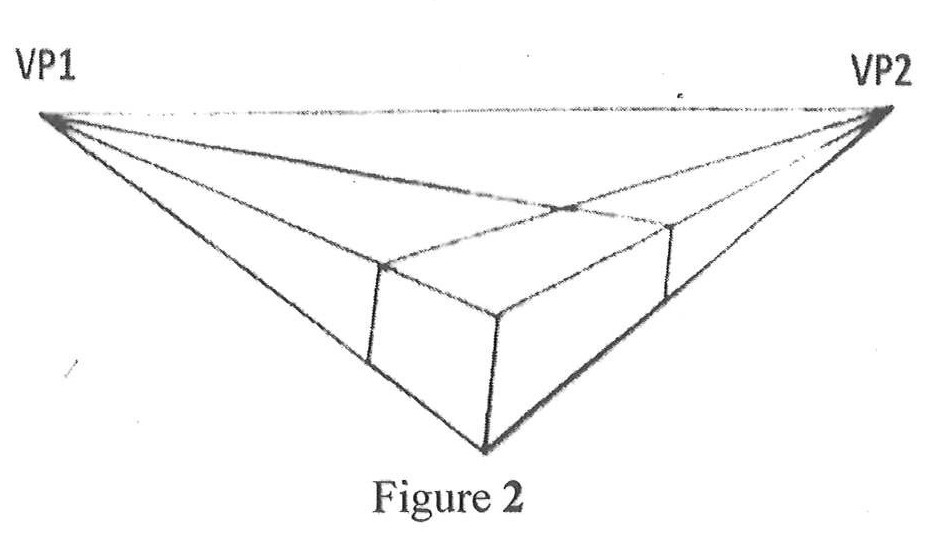
The object is sketched in- A. isometric
- B. oblique
- C. one-point perspective
- D. two-point perspective
-
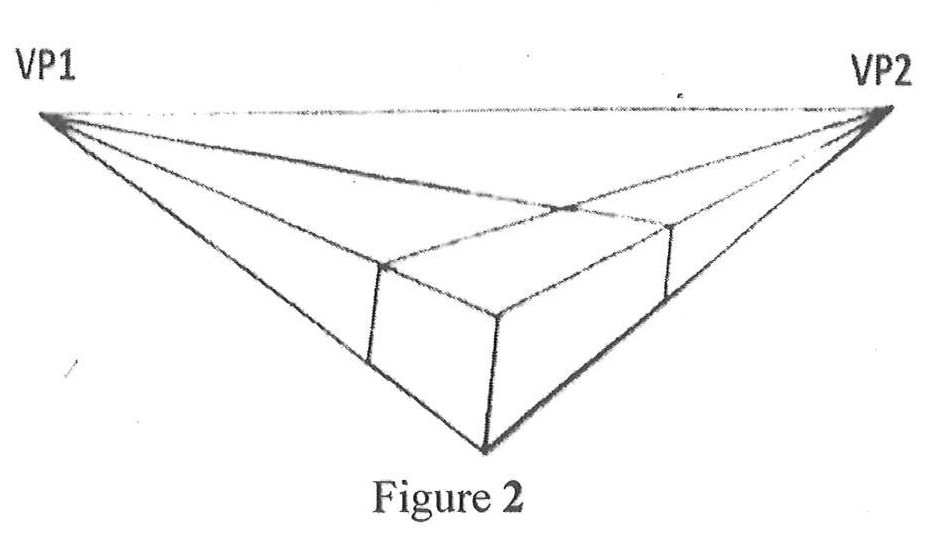
The line joining VP1 and VP2 is called- A. continuous thick
- B. horizon
- C. horizontal
- D. long chain
-
The tool used to produce a circular hole in metal is a
- A. chisel
- B. drill
- C. scriber
- D. tap
-
The brace is used for
- A. boring holes in wood
- B. drilling holes in bricks
- C. drilling holes in metals
- D. filing curves in wood
-
Which of the following tools is used together with the club hammer to cut blocks?
- A. Bolster
- B. Float
- C. Mallet
- D. Trowel
-
Which of the following metals is a ferrous material?
- A. Aluminium
- B. Cast iron
- C. Copper
- D. Soft solder
-
The ratio 1:4 in mortar mix stands for
- A. 1 headpan of sand to 4 headpans of cement
- B. 1 headpan of water to 4 headpans of sand
- C. 1 headpan of cement to 4 headpans of water
- D. 1 headpan of cement to 4 headpans of sand
-
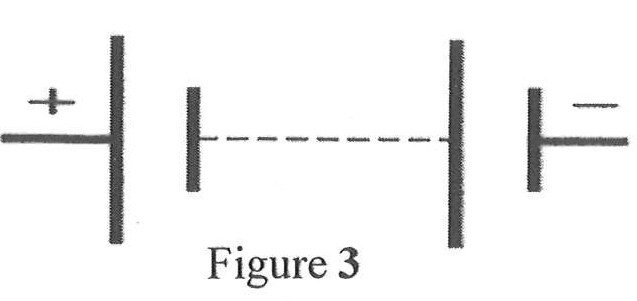
The electrical symbol shown in Figure 3 is a- A. battery
- B. bell
- C. cell
- D. switch
-
In perspective drawing, objects that are nearer the viewer appear to be
- A. larger
- B. lighter
- C. narrower
- D. smaller
-
A safety precaution to be observed when using an electronic appliance is
- A. overloading socket outlet
- B. plugging the appliance before cleaning
- C. switching off appliance after use
- D. using the appliance before reading instructions
Paper 2: Theory
- a) State two ways fresh tomatoes are preserved.
b) i) List two vegetable fibres.
ii) State two ways of finishing the edge of a plain seam.
c) i) State two causes of faults in home furniture.
ii) List three design processes to be considered when making a kitchen stool for your sister.
d) i) State the cool colours on the six-point colour wheel.
ii) Give the symbolic meaning to the various lines stated below:
α) Spiral; β) Diagonal; δ) Vertical; γ) Zig-Zag. - a) i) Make a freehand pictorial sketch of a claw hammer and label any two parts on the sketch.
ii) State one use of the claw hammer.
b) Copy and complete the table below:
ACTIVITY ONE REASON FOR CARRYING OUT THE ACTIVITY
(i) Wearing overcoat.
(ii) Adding water to mortar mix.
(iii) Using a file with handle.
c)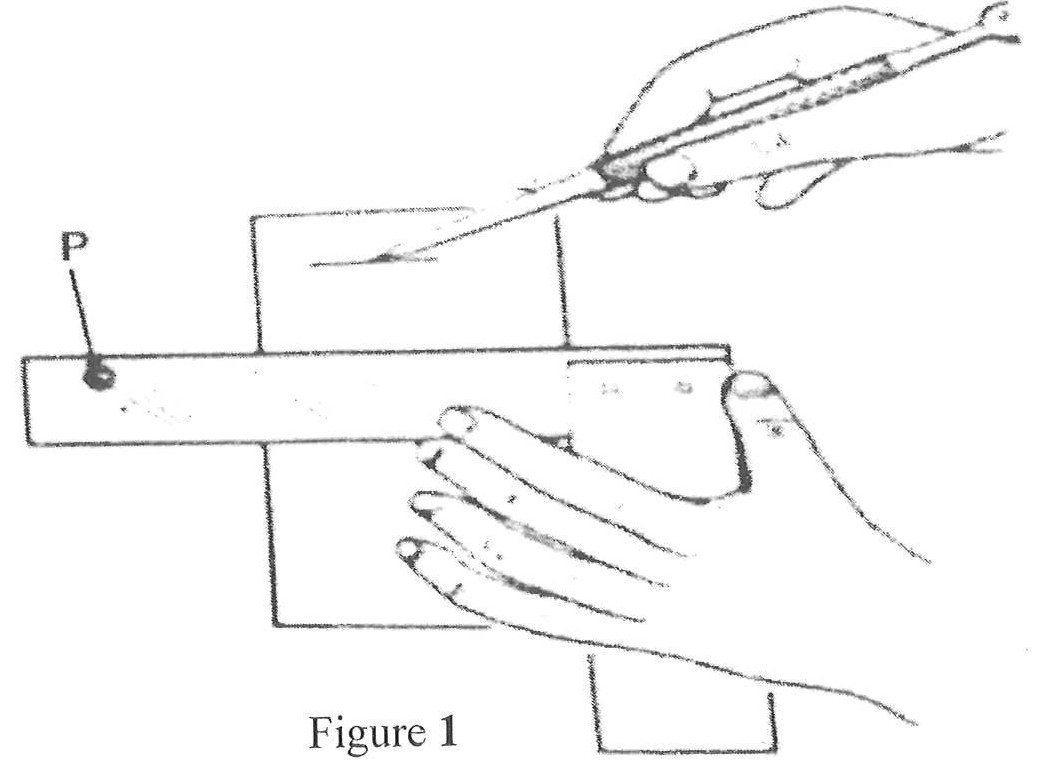
Figure 1 shows the sketch of an operation being carried out in the workshop.
i) State the operation being carried out.
ii) Name the tool labelled P.
iii) State one reason for cleaning the tools after use. 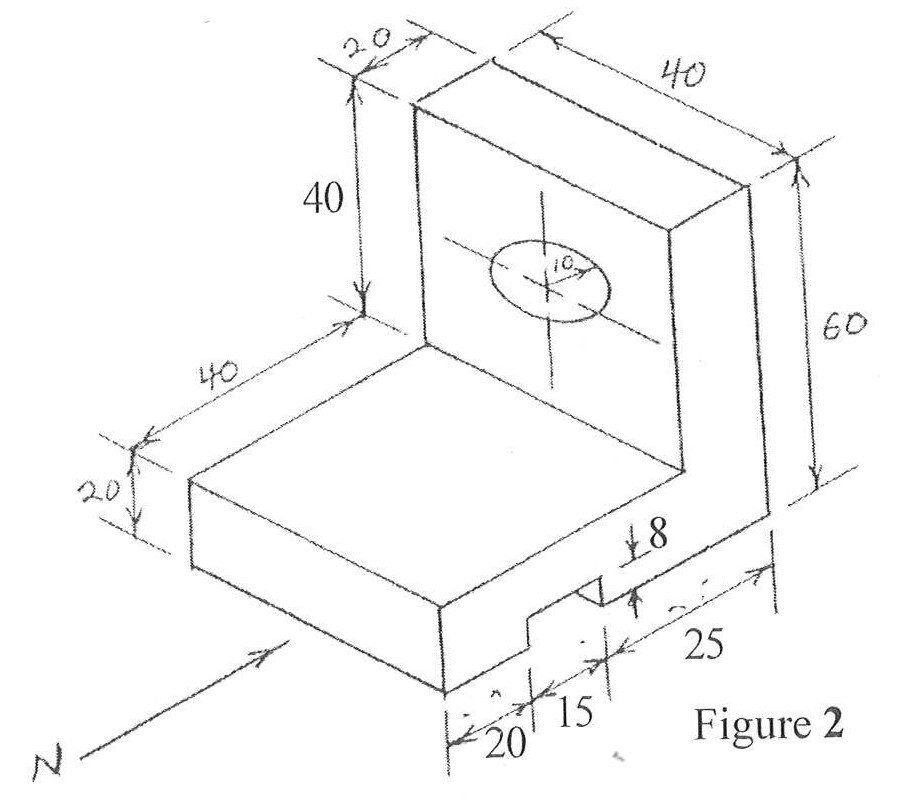
Figure 2 shows the isometric view of a wooden stand. Use it to answer questions (a) and (b):
a) i) Draw a full-size front view in First Angle Orthographic Projection in the direction of arrow N.
ii) Draw full size, the plan.
b) i) List two types of timber that would be used to produce the stand.
ii) List two tools to be used to perform each of the following operations:
α) Marking out the circular hole.
β) Cutting the circular hole.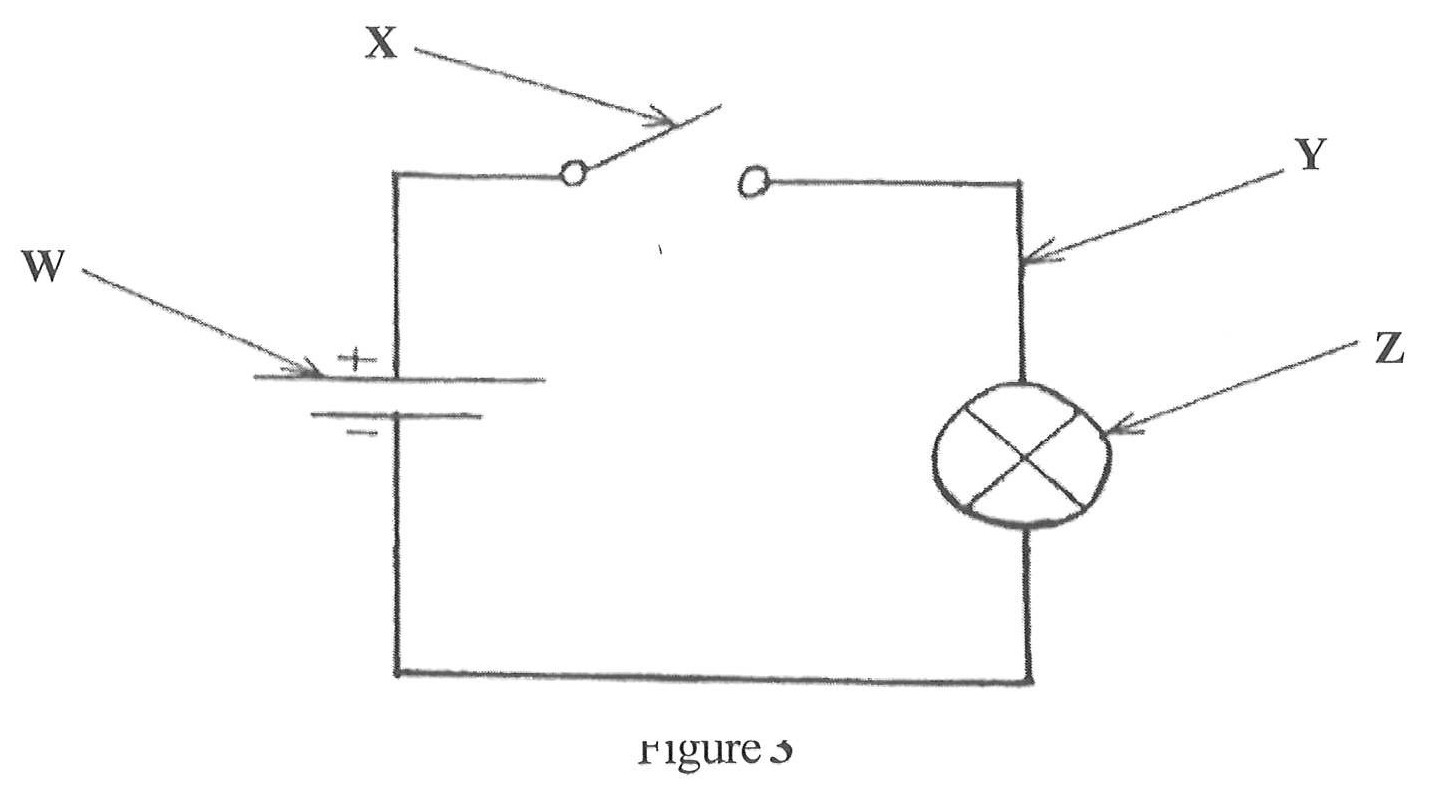
Figure 3 shows the sketch of a circuit diagram. Use it to answer question (a):
a) i) Write the names of the components labelled W, X, Y and Z.
ii) State the uses of the components labelled W and X.
b) Make a freehand pictorial sketch of the round wire nail and label any two parts on the sketch.
c) State two reasons for using flux in a soldering process.
d) State any two ways of keeping the workshop tidy.
Worked solutions to the theory questions are free in the app.
More BECE Pre-Technical Skills papers
All 8 Pre-Technical Skills papers
 All answers free on Google Play